

THE GLORIOUS 2026 LONDON MARATHON
Every spring, the London Marathon transforms our city into something far greater than a race. It becomes a living, breathing portrait of London at its best, open, generous, and alive.
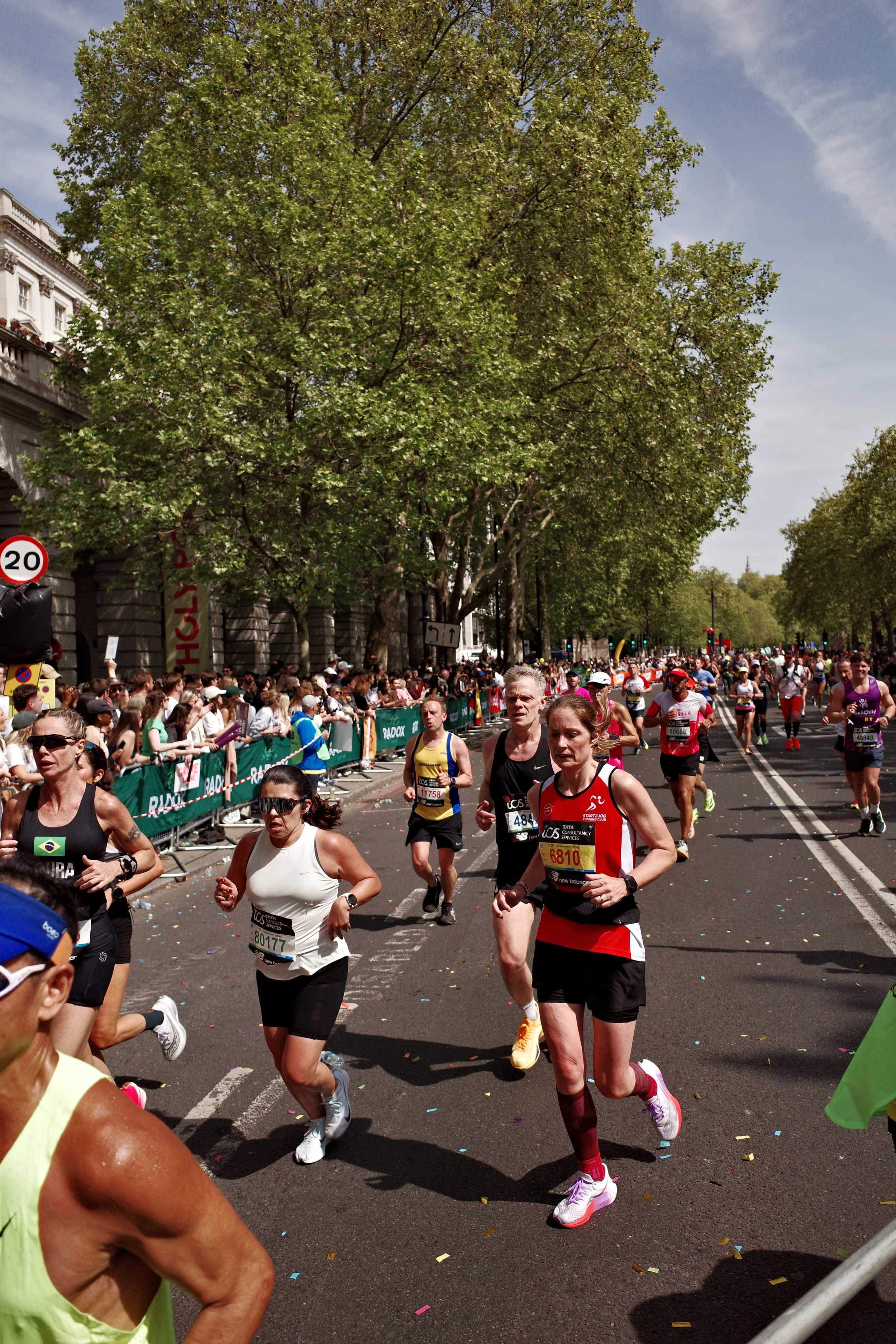
London 2026 Marathon, The Culture Digest
This year’s event felt especially charged. With unexpected glorious sunshine, the streets turned into corridors of celebration from both spectators and runners. From Tower Bridge to the final stretch along the Mall, crowds gathered shoulder to shoulder, families, friends, strangers, offering cheers, playing music, unlimited snacks, and handmade signs. It wasn’t just support, it was participation. The kind that reminds you that a city isn’t just defined by its skyline, but by its people that come together.
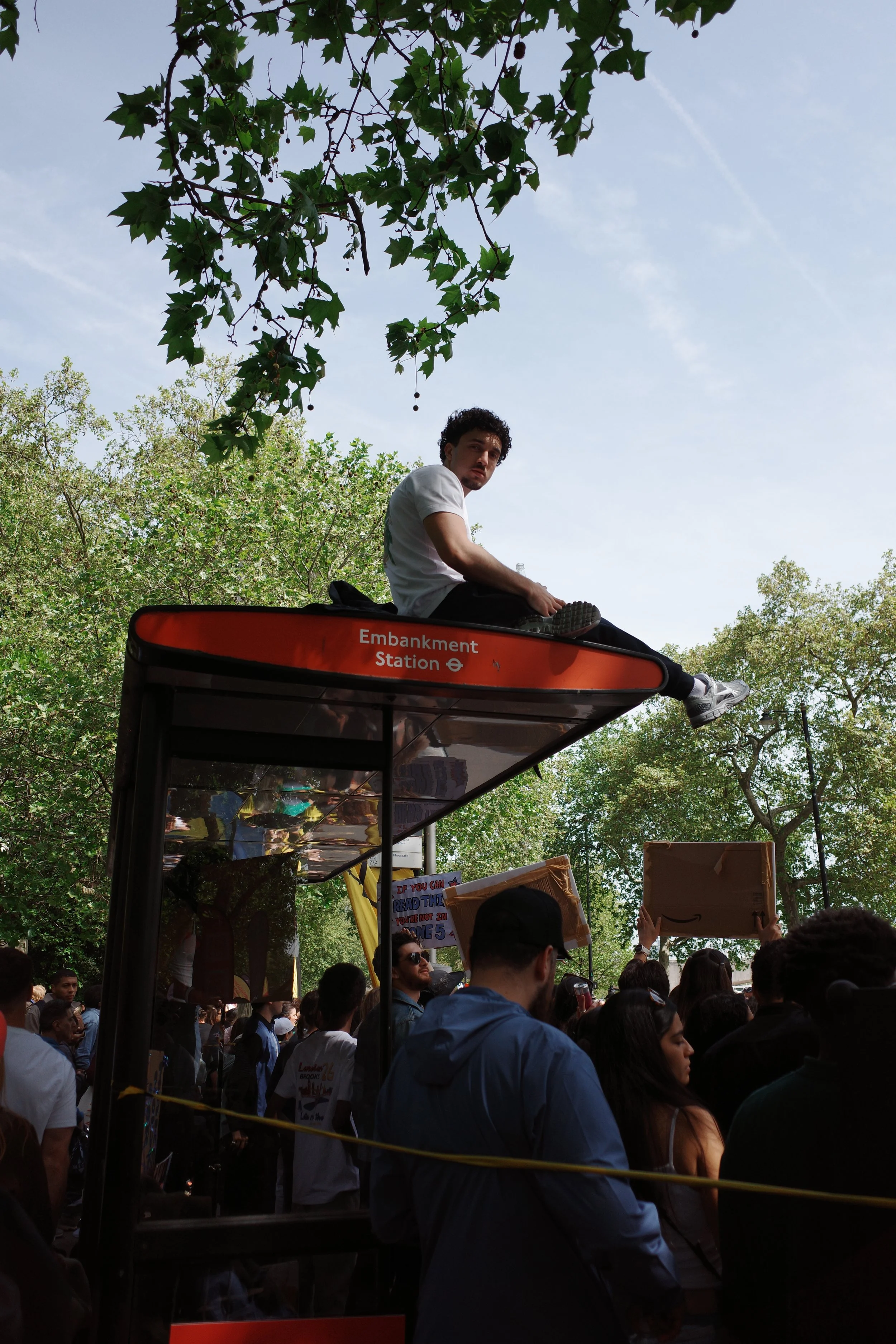
London 2026 Marathon, The Culture Digest
What makes the London Marathon so compelling isn’t only the spectacle of elite athleticism, though this year delivered a historic milestone: for the first time in an official race setting, two elite athletes broke the two-hour barrier. It was a moment that redefined the limits of endurance, met with awe from seasoned fans and casual spectators alike. Yet even that extraordinary achievement felt like part of a much broader narrative.
Because alongside the elites were tens of thousands of runners moving for reasons far more personal. Charity vests told quiet stories, names of loved ones, causes close to the heart, missions carried mile by mile. Collectively, they raised millions, turning individual effort into shared impact. The marathon, in this sense, is less about competition and more about contribution.
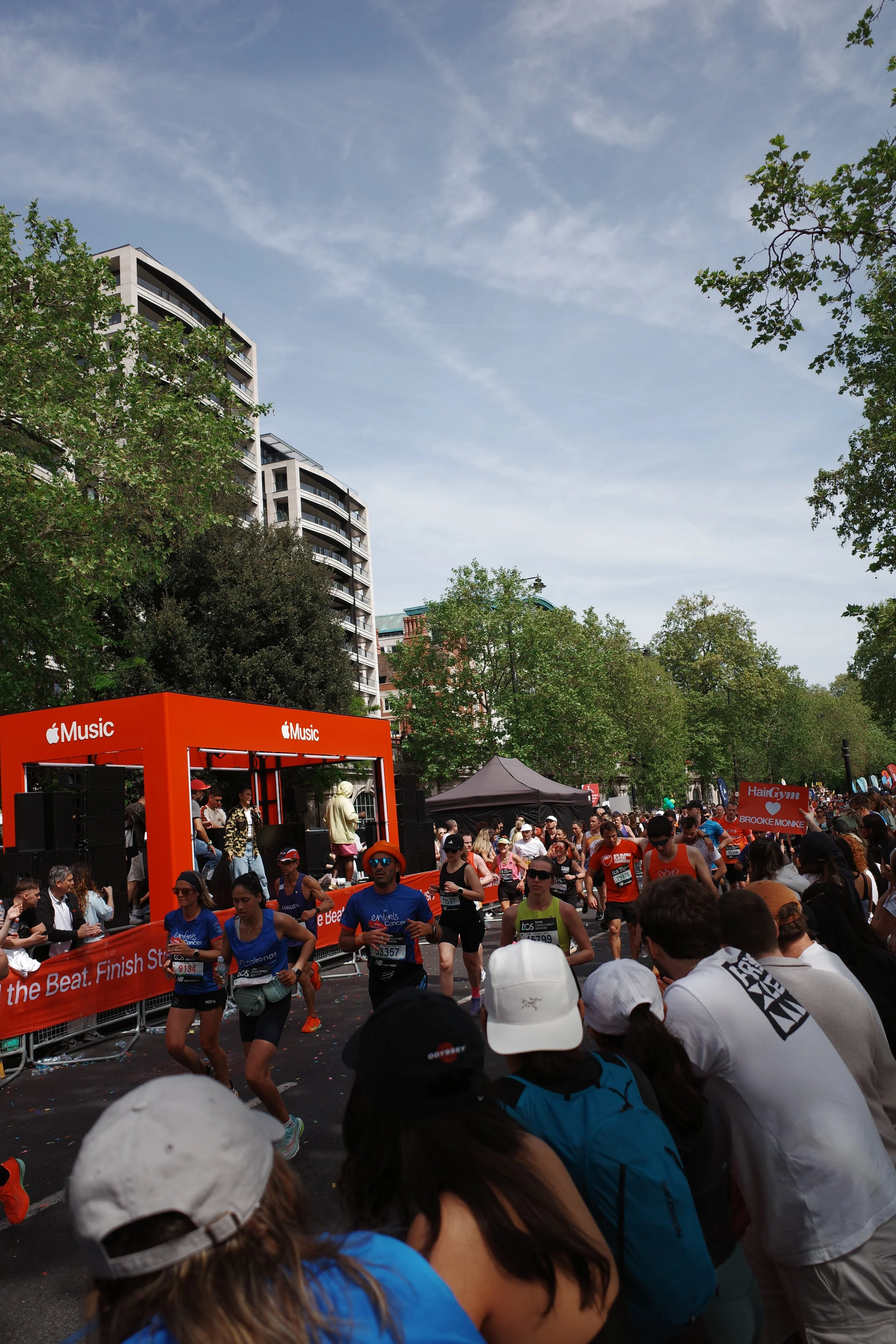
London 2026 Marathon, The Culture Digest
There’s also something deeply moving about the diversity of the crowd. Londoners showing up for Londoners, yes, but also visitors from across the UK and around the world, all folded into the same experience. For a few hours, the city feels unified in purpose.
And then there’s the simple joy of being there. The unexpected warmth of the weather, the hum of anticipation before the runners arrive, the roar as they pass, it all creates a sensory experience that lingers long after the roads reopen and the barriers come down.
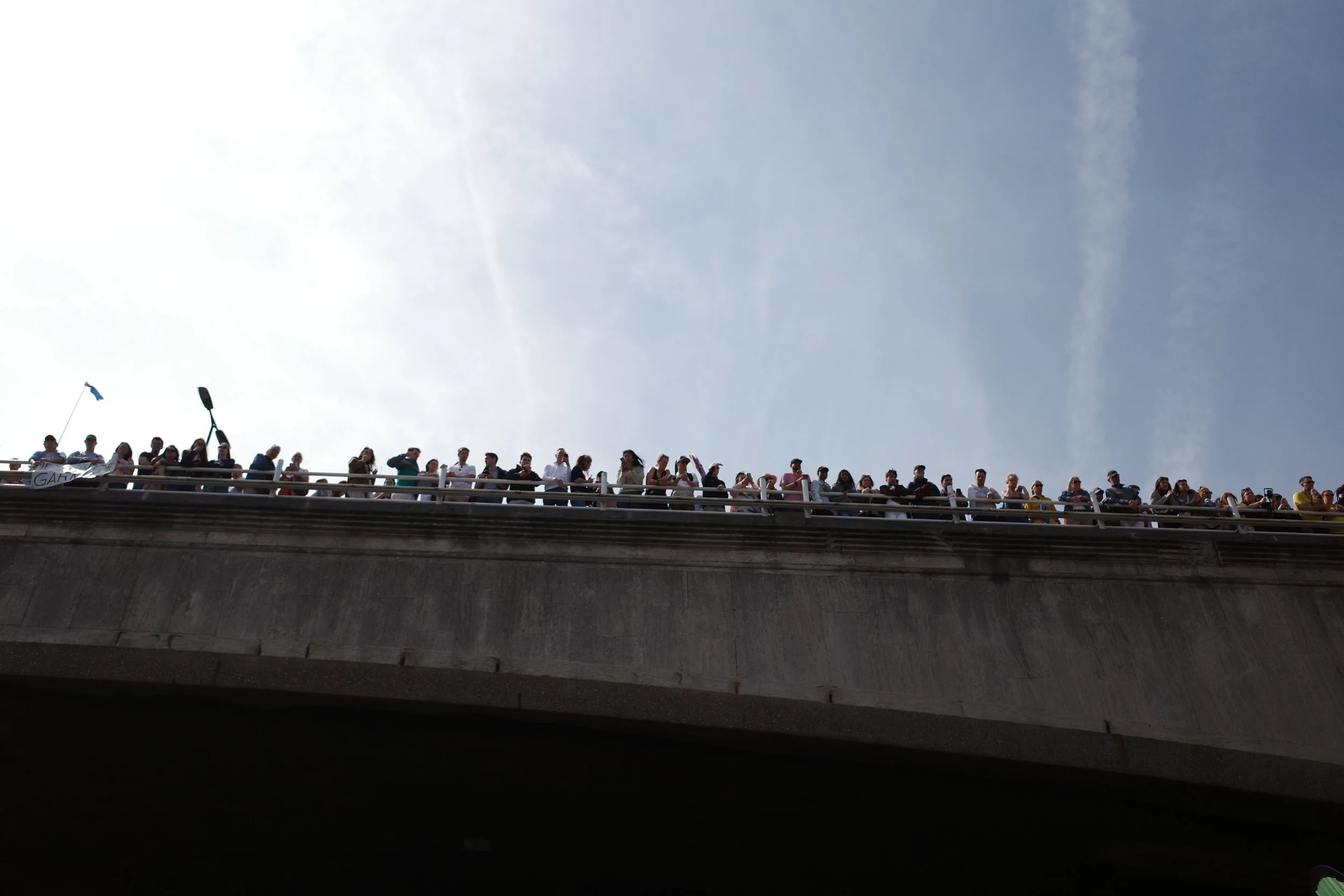
London 2026 Marathon, The Culture Digest
In a cultural landscape often defined by curated spaces and quiet observation, the London Marathon offers something refreshingly different: a city wide performance where everyone has a role. It’s unscripted, inclusive, and profoundly human, a reminder that culture doesn’t only live in galleries or institutions, but out on the streets, carried forward by the people who shape it.